

Foodservice Packaging Trends in 2026–2027: Takeaway, Cost Control and Compliance
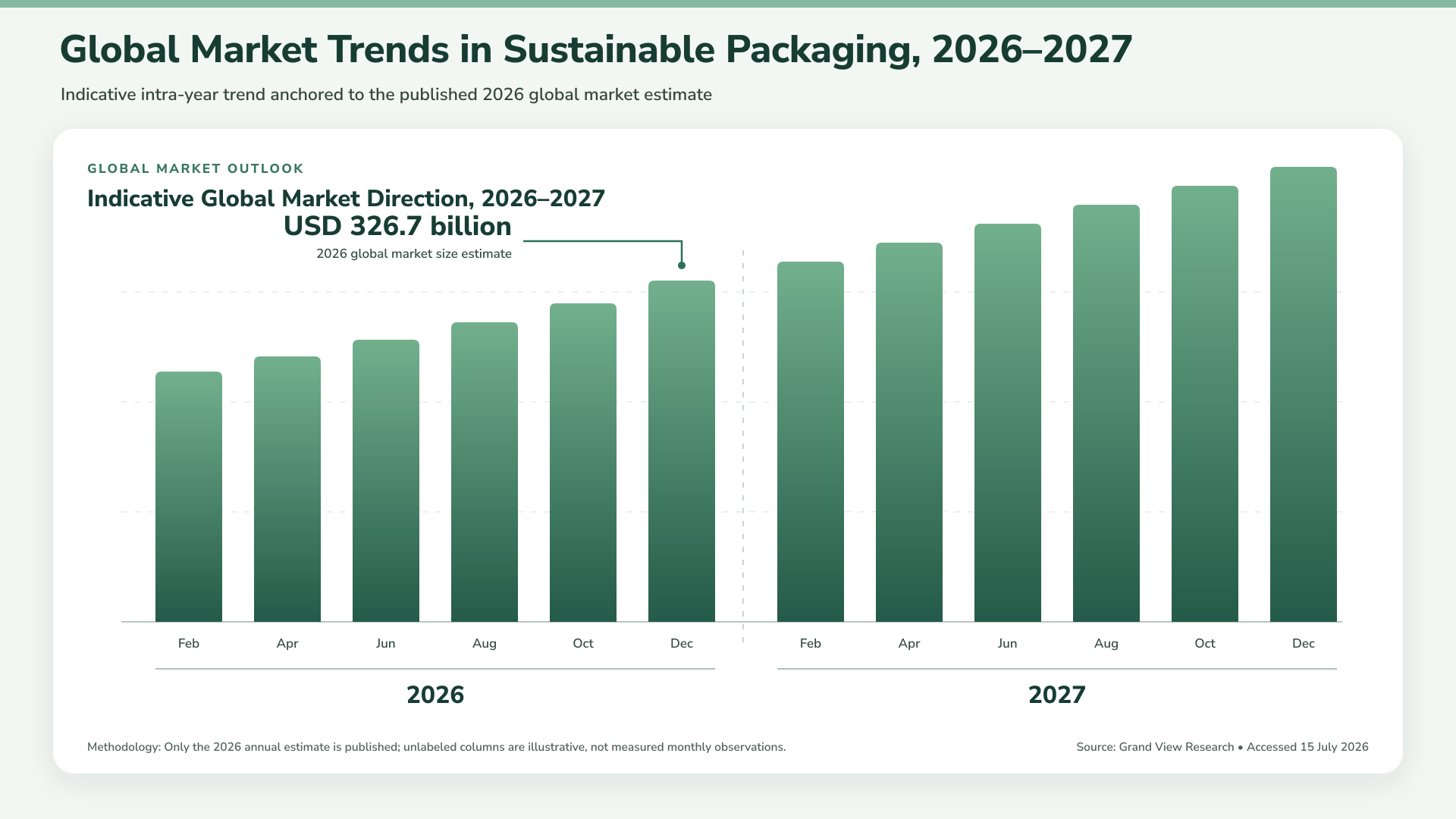
For foodservice buyers, the key trends in 2026–2027 go beyond simply replacing plastic. The shift is also increasing interest in biodegradable tableware options designed for different foodservice applications. Purchasing decisions are increasingly shaped by takeaway performance, total procurement cost, PFAS and food-contact compliance, application-specific barrier solutions and the ability to work directly with a reliable source manufacturer.
Key Takeaways
• Hot, oily and moisture-rich foods are driving demand for stronger takeaway packaging performance.
• High-volume buyers are looking beyond unit price toward total landed cost and factory-direct sourcing.
• PFAS, compostability and food-contact claims increasingly need clear product-level documentation.
• Coated and laminated bagasse solutions are expanding options for demanding food applications.
• Source-manufacturer capacity, in-house QC and OEM/ODM capability are becoming more important in bulk procurement.
Trend 1: Takeaway Packaging Is Becoming More Performance-Driven
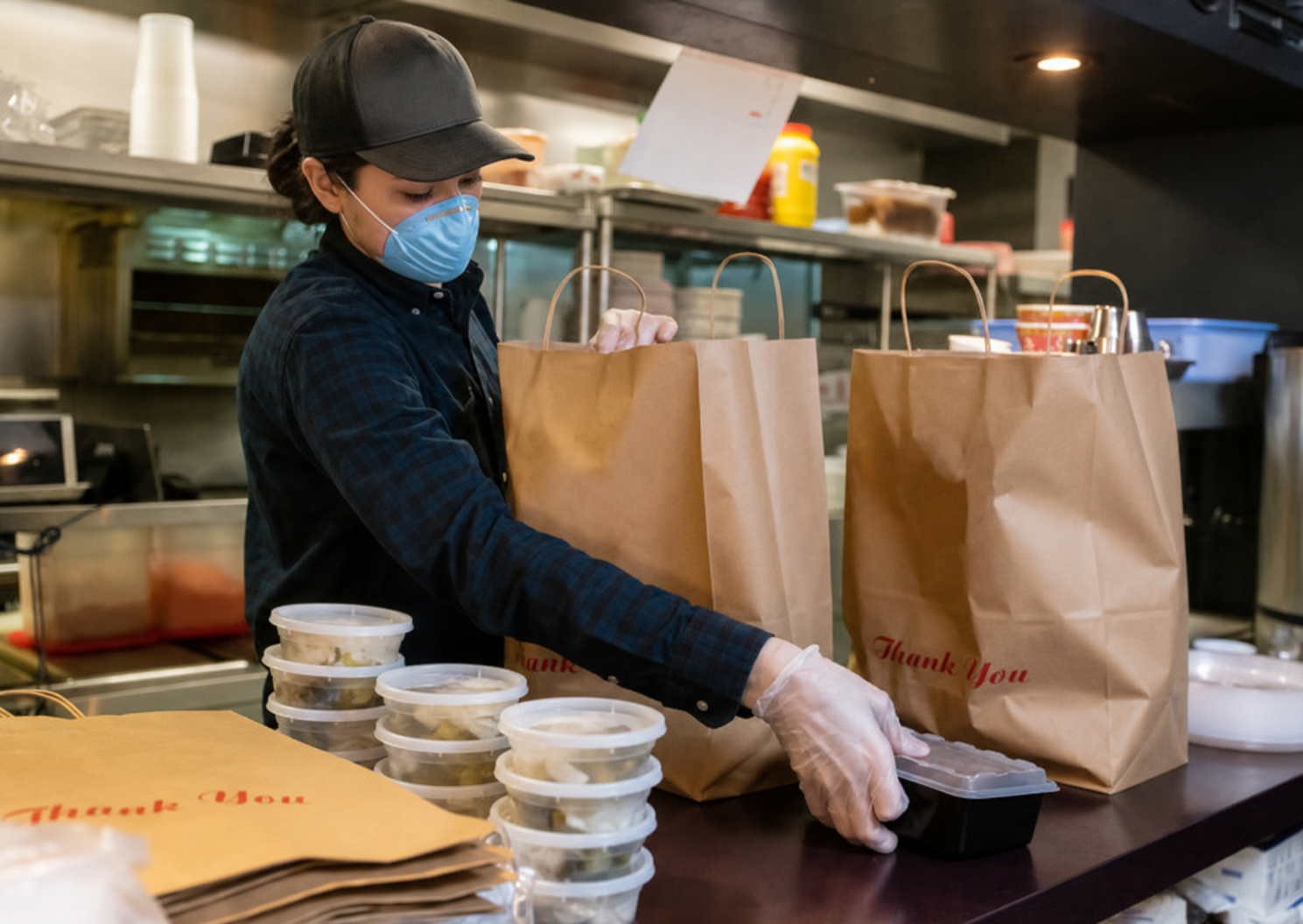
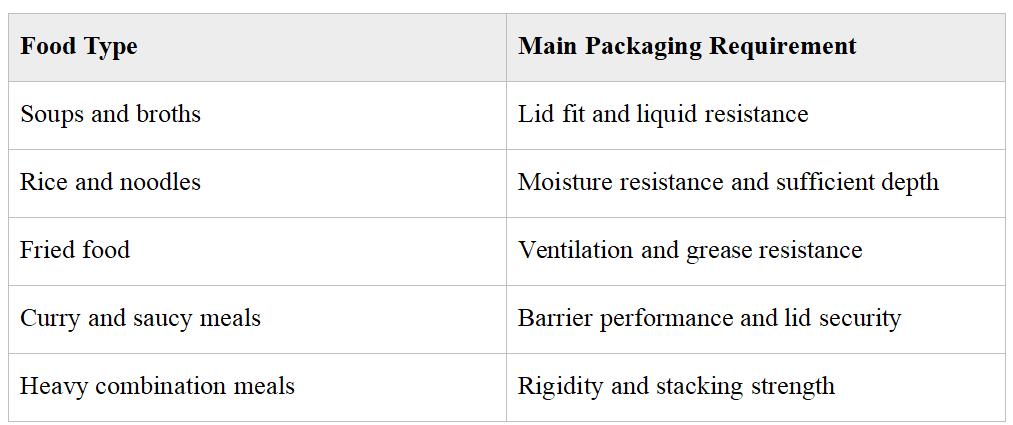
Takeaway and delivery place more pressure on food packaging than many traditional dine-in applications. Containers need to handle heat, steam, grease, sauces, stacking and transportation while keeping meals presentable when they reach the customer.
Molded sugarcane bagasse is well suited to many hot-food applications because it combines rigidity, a natural fiber appearance and strong foodservice functionality. For demanding applications, performance can be further improved through PFAS-free barrier treatments, coatings or laminated structures.
For restaurants and distributors, sample testing with actual menu items remains one of the fastest ways to confirm the right container size, barrier level and lid structure before moving into bulk orders.
Trend 2: Factory-Direct Sourcing Is Becoming Part of Cost Control
Rising freight, warehousing and inventory costs mean that the cheapest unit price does not always deliver the lowest real packaging cost.
Total Landed Cost = Unit Price + Freight + MOQ Overhead + Warehousing + Inventory Holding + Packaging Failure Costs + Emergency Purchasing
Packaging failure costs can include spills, refunds, replacement meals and last-minute purchases when stock runs out.
For high-volume buyers, working with a factory-direct food packaging manufacturer can improve price transparency and reduce intermediary markups. It also gives procurement teams direct access to production planning, tooling, quality control and customization instead of relying on multiple trading layers.
This is especially valuable for OEM/ODM programs involving custom molds, embossing, dimensions, barrier structures or branded packaging. Direct communication with the production team can shorten decision cycles and make it easier to control specifications from sample approval through mass production.
Trend 3: Compliance Is Moving from Claims to Verifiable Documentation
Professional buyers increasingly expect more than broad statements such as “PFAS-free,” “compostable” or “food-safe.” They want supporting documents that match the product being purchased.
This is particularly relevant in Europe. Regulation (EU) 2025/40 sets specific PFAS concentration limits for food-contact packaging from 12 August 2026, including 25 ppb for an individual PFAS measured by targeted analysis and 250 ppb for the sum of targeted PFAS under the conditions defined in the regulation.
For buyers, the practical approach is clear: choose suppliers that can provide relevant product specifications, PFAS testing, food-contact documentation and compostability certificates where applicable.
The same principle applies to compostability. A molded-fiber base creates a strong foundation for compostable packaging, but the complete finished structure matters. Coatings, laminates, inks and adhesives should be considered when making end-of-life claims.
Trend 4: Barrier Solutions Are Becoming More Application-Specific
Foodservice packaging is moving away from a one-material-fits-all approach. Standard molded bagasse works well for many dry, semi-dry and hot-food applications, while more demanding meals may need stronger grease, moisture, sealing or temperature performance.
This is driving wider use of PFAS-free barrier systems, water-based coatings and laminated bagasse structures. Depending on the application, laminated bagasse can incorporate PLA, PET, CPET or EVOH-containing structures to provide stronger barrier or temperature performance.
For OEM buyers, this creates more room for product engineering. Instead of choosing only from standard distributor stock, brands can work directly with a manufacturer to match the fiber substrate, barrier structure, sealing method and container design to the intended food application.
Trend 5: Buyers Are Looking for Verifiable Source-Manufacturer Capacity
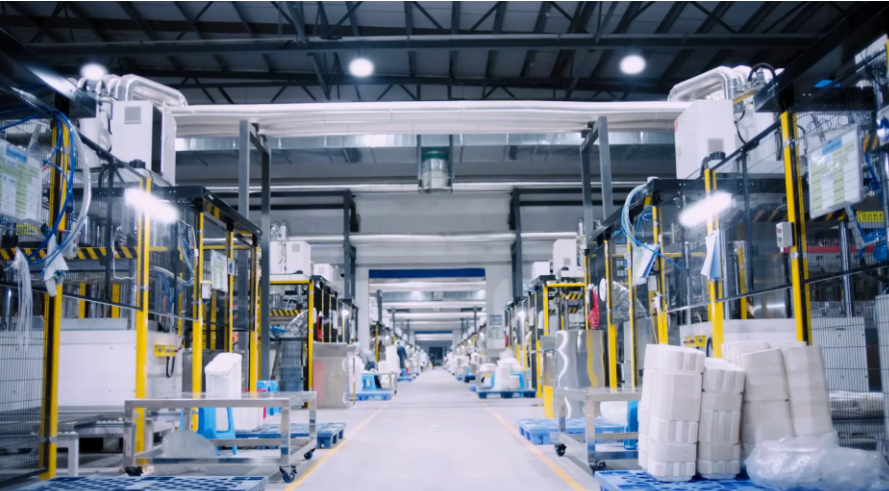
For restaurant groups, supermarkets and packaging distributors, reliable supply is as important as product performance. Bulk buyers increasingly want to know whether a supplier has its own production facilities, automated equipment, in-house quality control, tooling capability and enough capacity to support repeat orders.
Grizzlies operates 11 production bases with more than 280 automated machines and supports up to 200 × 40HQ of monthly production capacity. With 15+ years of OEM/ODM manufacturing experience, Grizzlies works as a factory-direct bagasse food packaging manufacturer for bulk and customized programs.
Its manufacturing network supports in-house production coordination, quality control, custom molds, embossing, dimensional development and application-specific barrier or lamination projects. This gives buyers direct access to the factory team from sample development through bulk production.
What Foodservice Buyers Should Check in 2026–2027
1. Define the application — food type, fill temperature, grease level, moisture and delivery time.
2. Test the actual product — leakage, softening, stacking, lid fit and grease resistance.
3. Compare total landed cost rather than unit price alone.
4. Verify PFAS, food-contact and compostability documents where applicable.
5. Confirm whether the product is standard molded fiber, coated or laminated.
6. Audit the factory’s production capacity, QC, tooling and lead-time capability.
Conclusion
Foodservice packaging in 2026–2027 is becoming more performance-driven, compliance-focused and application-specific. Buyers are no longer selecting packaging on material or price alone. They are comparing how well a package performs with real food, how much it costs across the full supply chain and whether the manufacturer can support consistent bulk supply.
For high-volume programs, working directly with a source manufacturer can provide stronger pricing transparency, faster technical communication and more control over OEM/ODM development.
As a leading OEM ODM manufacturer, Grizzlies provides factory-direct bagasse food packaging and sugarcane food containers with standard molded-fiber, barrier-coated and laminated options for different foodservice applications.
Buyers can request product samples, specifications, compliance documents and factory-direct quotations for bulk or customized projects.
Shenzhen Grizzlies Industries Co.,LTD
Shenzhen Grizzlies Industries Co.,LTD
+86 137 1519 2986
email us here
Legal Disclaimer:
EIN Presswire provides this news content "as is" without warranty of any kind. We do not accept any responsibility or liability for the accuracy, content, images, videos, licenses, completeness, legality, or reliability of the information contained in this article. If you have any complaints or copyright issues related to this article, kindly contact the author above.
